


Influencer marketing has evolved far beyond product features and polished posts. In a crowded digital ecosystem where every scroll delivers a new creator, brand, or trend, storytelling has become the strongest differentiator. Algorithms can get you seen, but only a story can make someone stay.
According to the HubSpot 2025 Marketing Report, 70% of consumers remember a brand more when it’s communicated through narrative-led content. That’s because stories don’t just inform; they emotionally anchor. They help audiences understand not only what you’re promoting, but why it matters.
In today’s landscape, attention is transactional. Emotion is transformational.
And storytelling is the bridge.
Between the scroll and the stop, what makes someone pause? The story is not about sales.
The Psychology Behind Storytelling
Stories work because they trigger emotional, hormonal, and cognitive responses. Oxytocin, the “trust hormone” increases when viewers consume narratives involving vulnerability or personal transformation. This makes audiences more receptive, empathetic, and connected to the creator.
In influencer marketing, this shift means authenticity performs better than expertise alone. People follow creators who feel human, not authoritative. From TikTok storytimes to YouTube vlogs to LinkedIn long-form narratives, storytelling integrates seamlessly across formats. It is effective because it moves people emotionally before trying to influence them logically, and emotional activation is the true driver of influence.
Tip 1 – Start With Personal Truth
Before audiences trust a product, they trust a person. Personal truth centers storytelling in lived experience, which instantly differentiates creators from scripted, transactional content. When creators talk about real challenges, real moments, and real motivations, the audience instinctively listens. Whether it’s a morning routine, a struggle with consistency, or a breakthrough moment, authenticity sets the emotional tone.
- Share lived experiences instead of surface-level anecdotes
- Connect personal moments to the brand naturally
- Use vulnerability to build emotional closeness
- Share “why this matters to me” rather than “why this product is good.”
- Ground collaborations in real-life stories, not briefs
The strongest storytelling always begins with a creator’s real emotions, challenges, or journey. When a creator uses personal truth as the anchor, content automatically becomes more natural, believable, and engaging. The audience sees the creator’s humanity instead of just a product pitch. Personal truth also helps brands integrate more organically, because the product becomes part of the real story rather than a forced insertion.
Tip 2 – Build a Narrative Arc, Not a Script
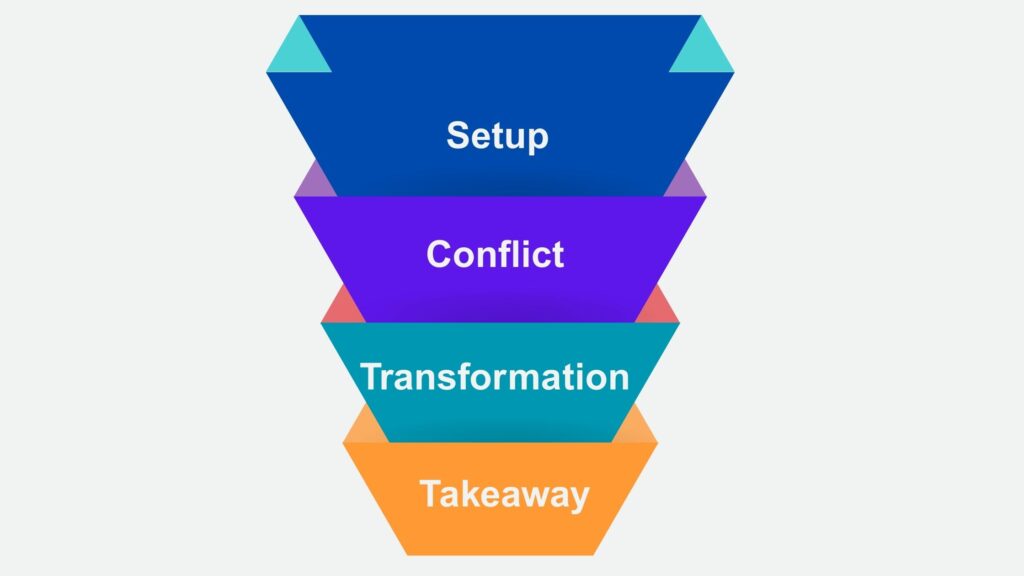
Good storytelling isn’t about repetition; it’s about progression. A narrative arc gives content structure, emotional direction, and purpose. It ensures the viewer moves from one emotional point to another, making even short-form content feel cinematic and meaningful.
Creators who use arcs maintain viewer curiosity and make their content more memorable.
| Stage | Meaning | Creator Example |
| Setup | Establish context | “I’ve always struggled with consistency…” |
| Conflict | Highlight the tension | “Last month everything fell apart…” |
| Transformation | Show the shift | “This routine changed things for me…” |
| Takeaway | Share meaning | “Here’s the lesson I learned…” |
Narrative arcs unlock emotional depth because they mirror real human experiences. Even in 30–60 seconds of content, viewers subconsciously look for structure. The arc helps creators break away from linear explanations and instead deliver story-driven narratives. The conflict creates emotional investment; the transformation builds hope; the takeaway leaves a memorable impression.
Tip 3 – Visual Consistency Is Emotional Consistency
Before viewers read a caption or hear the audio, they experience visual language. Colors, framing, editing style, and aesthetic tone set emotional expectations. Visual consistency builds brand identity for creators, helping the audience recognize their content instantly.
Emotional consistency comes from predictable visual cues.
Maintain a signature color palette
- Use editing style to convey emotion (warm, cinematic, raw)
- Build visual habits (similar intros, frames, transitions)
- Let visuals reflect your personality, not trends
- Use soundscapes that reinforce your narrative tone
Visual consistency helps creators craft a recognizable identity, which drives familiarity and trust. When the audience can identify a creator’s post before seeing the handle, the creator has achieved emotional memorability. It also improves storytelling flow, and a consistent visual environment makes narratives feel cohesive.
Brands benefit when creators maintain a clear style, as it keeps collaborations authentic to their image. Visual consistency is not about being overly designed; it’s about being emotionally predictable. It tells viewers what vibe to expect and prepares them for the story.
Tip 4 – Involve the Audience
Interactive storytelling transforms followers into participants. It shifts content from monologue to dialogue, making the audience feel valued and involved. Engagement increases when people see themselves reflected in the creator’s process.
| Method | How It Helps | Example |
| Polls | Builds anticipation | “Which outfit should I style next?” |
| Q&As | Deepens emotional closeness | “Ask me anything about my journey…” |
| Choices | Encourages co-creation | “Pick the next recipe/series topic…” |
When audiences participate, they invest emotionally in the outcome. This creates deeper attachment and increases watch time because viewers want to see what happens next. Co-creation makes storytelling collaborative and reduces the distance between the creator and the community. Followers feel respected and acknowledged when their choices are featured in the content.
For brands, this boosts credibility because involvement feels organic, not promotional. Interactive storytelling is one of the strongest drivers of loyalty today.
Tip 5 – Make the Brand a Supporting Character, Not the Hero
Brands shouldn’t overpower the creator’s narrative; they should enable it. The audience cares about the creator’s journey, not a product highlight reel. When the brand plays a background role, storytelling feels organic.
- Make the creator’s life the focus
- Use the product as a natural enhancer, not a central plot
- Showcase real usage, not staged moments
- Avoid scripting brand lines
- Let emotion lead, and product follow
Content resonates more when the creator remains the hero of the story. Audiences relate to human experiences, not branded narratives. By making the brand a supporting character, creators preserve authenticity and emotional flow. This approach also strengthens long-term brand partnerships, as the product can appear across multiple life moments. Supporting character placement keeps the audience emotionally engaged while subtly showcasing product value. This balance is what makes collaborations believable.
Tip 6 – Embrace Vulnerability
Perfect content has lost relevance; audiences want real. Vulnerability builds trust quickly because it shows creators as humans, not highlighting reels.
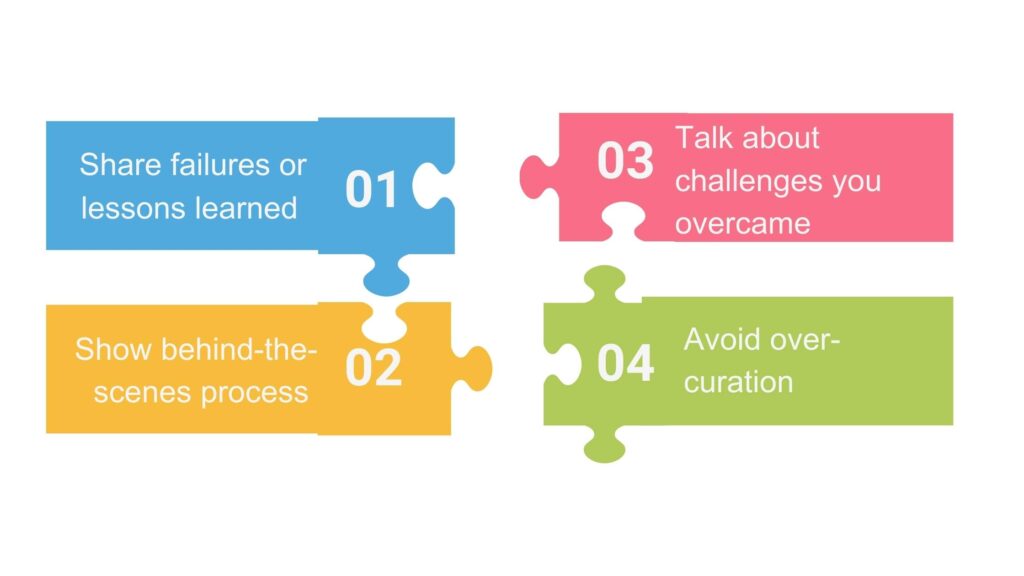
- Share failures or lessons learned
- Show behind-the-scenes process
- Talk about challenges you overcame
- Avoid over-curation
Vulnerability allows creators to express genuine emotion, a rare asset in digital storytelling. It deepens the connection because it shows honesty and courage. Audiences engage more when creators open up about doubts, setbacks, or transformations.
Tip 7 – Measure the Emotional ROI
The real impact of storytelling is emotional, not numerical. Metrics like retention, saves, comments, and sentiment reveal whether the audience connected deeply with the story.
- Track retention to evaluate narrative strength
- Prioritize saves and shares over likes
- Study comments for emotional keywords
- Analyze DMs for qualitative feedback
- Use polls to check resonance
Emotional ROI helps creators understand how content makes people feel. Stories that spark heartfelt comments or saves are far more valuable than ones that get passive views. Retention rates show whether the narrative arc is engaging. Sentiment analysis reveals whether the tone resonates with the audience.
The Future of Storytelling in Influence
In 2026 and beyond, influencer marketing will be shaped by story-driven creators, not trend-driven ones. As AI-generated content increases, human storytelling becomes a differentiator. The creators who can transform everyday moments into relatable narratives will build the most loyal communities.
Stories humanize data, strengthen brand trust, and deepen emotional connection.
In 2026 and beyond, creators who master storytelling will lead a culture that does not follow it.
“Whether you’re a creator or a brand, your next post shouldn’t just promote it should move.”